
Your Gas. On-Demand.

UIG delivers on-site gas production solutions for industries requiring a constant supply of oxygen, nitrogen, and argon. Our customized systems eliminate transportation costs and provide a dependable, uninterrupted gas supply.

Cryogenic Air Separation
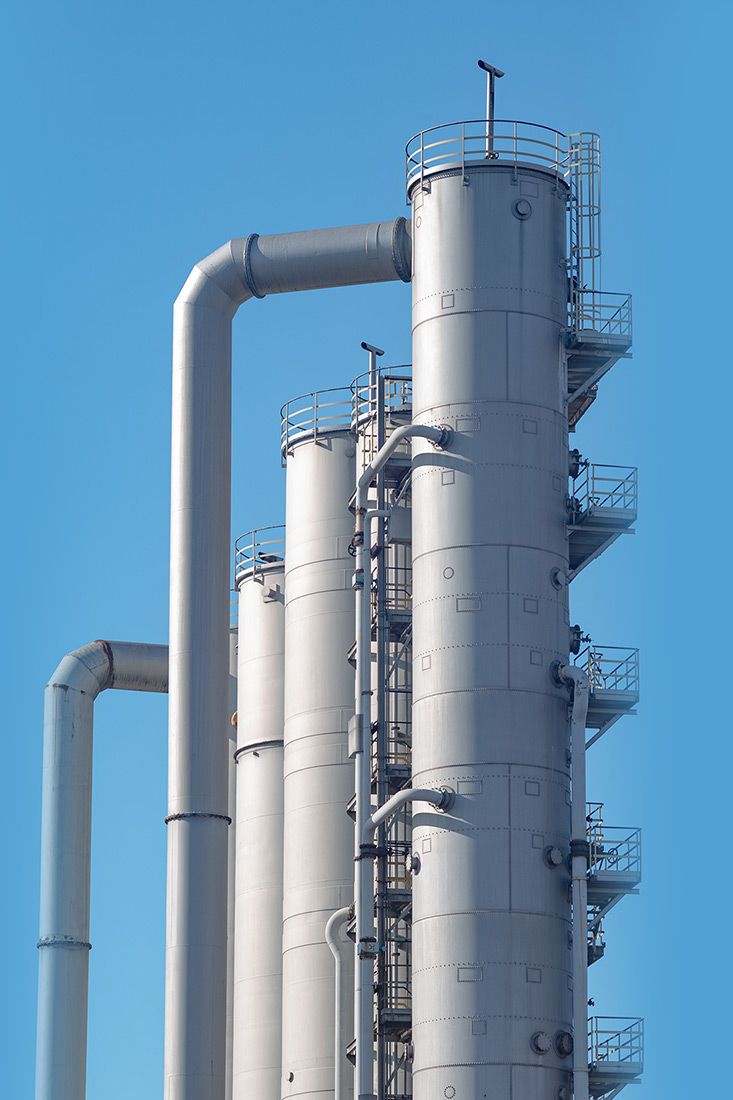
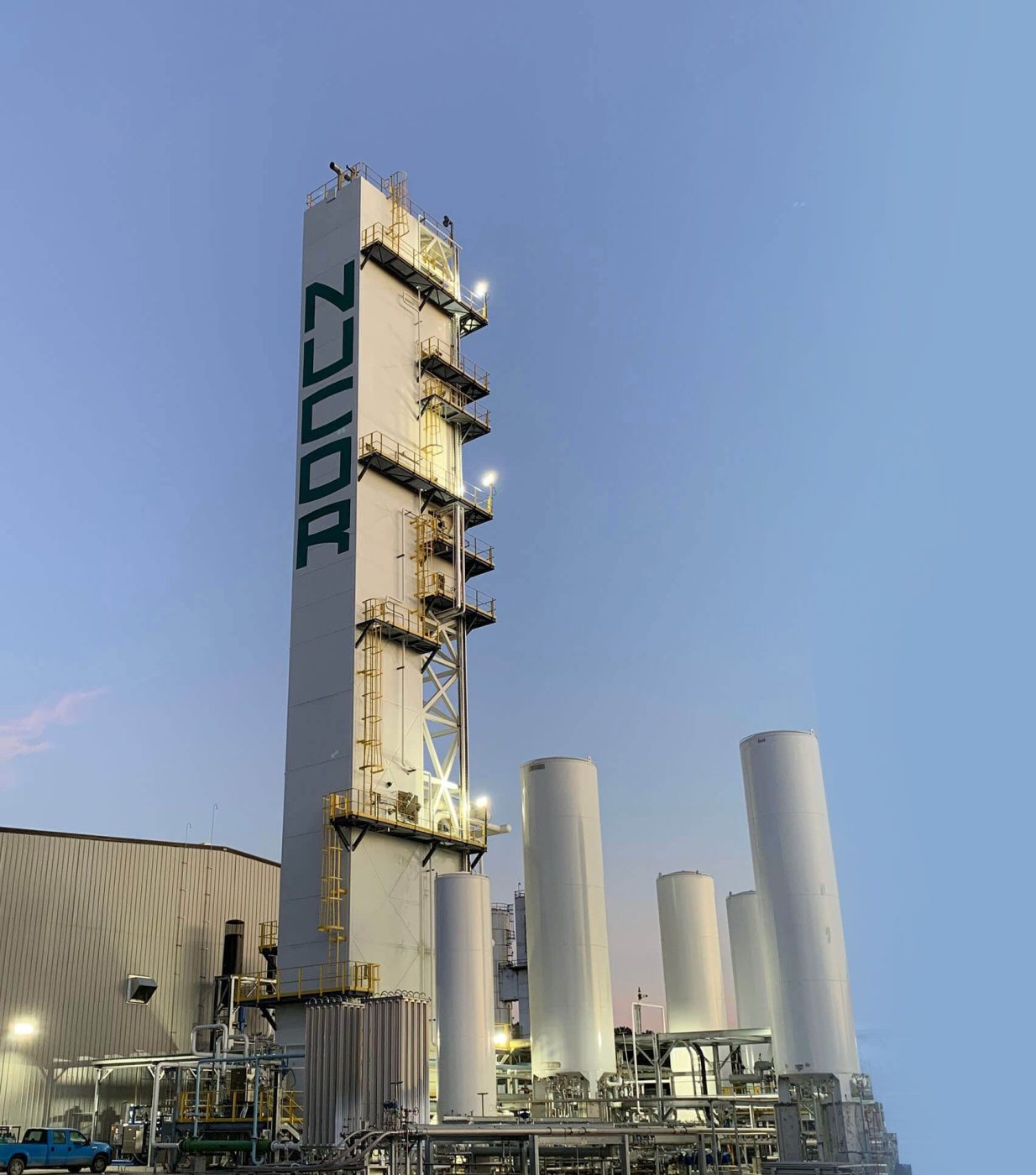
Air Separation Units (ASUs) distill atmospheric air into high purity oxygen, nitrogen, and argon for immediate use and storage at your facility

Oxygen and Nitrogen Production
Just need oxygen or nitrogen? UIG has cryogenic and non-cryogenic solutions to economically supply the flow, pressure, and purity gases you need
On-Site Gas Systems for
High-Volume Operations
Our on-site gas model is the most cost-effective solution for customers requiring large quantities of these gases.

Oxygen Production
Supports clean combustion, oxidation, and life-support melting.

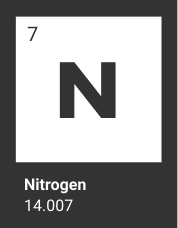
Nitrogen Production
An inert gas used for cooling, blanketing, and pressurization.

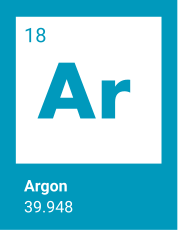
Argon Production
A noble gas ideal for shielding and specialized applications.

On-Site Gas Production
Purpose-Built for Your Industry
From steel and chemicals to energy and glass, our on-site gas production solutions are tailored to meet the unique gas demands of your industry with precision-engineered solutions.

Steel

Our gas production solutions provide reliable oxygen and nitrogen supply, streamlining steel manufacturing and improving both process control and energy savings.

Energy
On-site gas production ensures energy plants receive the precise mix of gases for combustion and power generation, reducing reliance on external suppliers.

Glass
Our customized gas production systems deliver the precise oxygen levels required for glass manufacturing—enhancing furnace performance, improving product quality, increasing energy efficiency, and reducing emissions.

Chemicals
On-site gas production solutions to meet the specific gas needs of chemical plants, enhancing safety, optimizing reactions, and reducing transportation costs.

Mining and Minerals
Our on-site gas production systems provide consistent oxygen and nitrogen delivery for mineral extraction and processing.

Metals
On-site gas production supports metal processing by providing reliable oxygen and nitrogen for refining, heat treatment, and welding applications, ensuring high-quality output and cost savings.

Evaluate Your On-Site Gas Production Needs
Gas Supply, Your Way
UIG gives you the freedom to choose how you source your gas – whether you want a fully managed solution or complete control over your production. Our flexible approach ensures you get the reliability, efficiency, and cost structure that works best for you.
On-Site Gas Production FAQs
What is on-site gas production?
On-site gas production is the process of generating industrial gases like oxygen, nitrogen, and argon directly at a facility, eliminating the need for bulk deliveries.
How will on-site gas production benefit my business?
On-site gas production offers clear advantages in cost, reliability, and operational flexibility. By generating gases directly at the point of use, organizations can significantly reduce expenses tied to liquefaction and transportation—both of which are highly energy- and resource-intensive. Liquefying gases requires specialized equipment and substantial electricity, while transporting liquid products involves trucks, drivers, fuel, and logistics coordination. These costs are ultimately embedded in the price paid by end users for delivered liquid gases.
What size operation is suited for on-site gas production?
On-site gas production is most economical for operations with constant, high-volume gas needs, such as manufacturing, chemical processing, and steel production. There is no universal quantity where economic drivers transition from liquid deliveries to onsite because the cost associated with liquid deliveries and onsite operations vary by region. Additionally, product demand size and cost aren’t the only factor in determining whether onsite production is appropriate for a facility; reliability and operational flexibility are also important factors. UIG provides onsite generators as small as 20,000 standard cubic feet an hour through thousands of tons per day. Using different units to define your gas demand? Visit our unit conversion calculator for reliable unit comparisons.
How does the on-site gas production process work?
Onsite gas production involves building a gas producing facility like an ASU at or adjacent to your operating facility and delivering gases from the gas plant to your use point via product pipeline. The gas plant, which can be owned and operated by either UIG or your business, requires space and basic utilities like power and water to be allocated for it. These requirements vary by the technology and size of the plant best suited to support your operation.
What industries typically use on-site gas production?
On-site gas production is commonly used in industries that require large quantities of industrial gases, including steel and metal manufacturing, chemical production, food and beverage processing, oil and gas refining, and healthcare. These industries benefit most from the cost-effectiveness and reliability of on-site systems.
How does on-site gas production compare to bulk gas delivery in terms of reliability?
On-site gas production eliminates the risks of supply chain disruptions, transportation delays, and fluctuating market prices associated with bulk gas deliveries. With an on-site system, your operation has a dedicated, uninterrupted gas supply tailored to its specific needs.
How does on-site gas production compare to bulk gas delivery in terms of reliability?
On-site gas production eliminates the risks of supply chain disruptions, transportation delays, and fluctuating market prices associated with bulk gas deliveries. With an on-site system, your operation has a dedicated, uninterrupted gas supply tailored to its specific needs.
How much space is required for an on-site gas production plant?
The space required depends on the specific needs of your operation and the volume of gases you require. Our team assesses your facility and customizes the plant layout to ensure optimal use of available space.
Can on-site gas production be scaled up if needed?
Yes, particularly if future production quantities are anticipated up front. UIG has experience designing plants to operate over wide ranges and production during their useful life. If these ranges are anticipated in the design phase, they are relatively simple to accommodate compared to if required once the equipment is installed.
What are the maintenance requirements for on-site gas production systems?
Regular maintenance is required to ensure efficient operation. Our team offers ongoing support with routine inspections, system upgrades, and troubleshooting to keep your plant running smoothly. Maintenance schedules are customized based on your plant’s needs.
How can I get started with UIG?
Contact us to discuss your gas supply needs, and our team will help you determine the best solution for your business.
On-Site Gas Production Resources
Resource 1
An inert gas used for cooling, blanketing, and pressurization.

Resource 2
An inert gas used for cooling, blanketing, and pressurization.
Resource 3
An inert gas used for cooling, blanketing, and pressurization.
Gas You Can Work With™
Discover a better way to work with industrial gas with UIG. Get in touch today to learn more.